Data Analytics
More data doesn't mean better decisions.The right analytics do.
Government agencies collect enormous amounts of data, from mission readiness, logistics management, critical administrative requirements, procurement approvals, infrastructure conditions and citizen service requests, yet many decisions still get made months behind, on data no one fully trusts. The gap between the data an agency has and the decisions it needs to make shows up everywhere: in risks that go undetected, in services that reach citizens slower than they should, and in evidence that arrives long after a funding or policy choice was already made. We treat analytics and AI/ML as a single practice, not two, so agencies get answers they can trust in the timeframe the mission actually requires, whether that means flagging a risk before it becomes a bigger problem, seeing a service backlog before it becomes a crisis, or building the evidence a program needs to defend its own funding.
Data analytics is how mission strategy meets measurable proof. Every engagement, from a fraud detection model to a citizen-facing dashboard to a program evaluation, is built to turn an agency’s own data into a decision made with confidence, not a guess.
What we hear from government clients

The data needed for a decision usually exists, just not in one place
Public sector data commonly lives in disconnected systems built by different offices at different times, so the information needed to answer one question, is this applicant eligible, is this case at risk, is this program working, is often scattered across systems that were never designed to talk to each other. Citizens experience that fragmentation as delay: explaining themselves twice, or waiting months for a decision the underlying data could have supported in days.
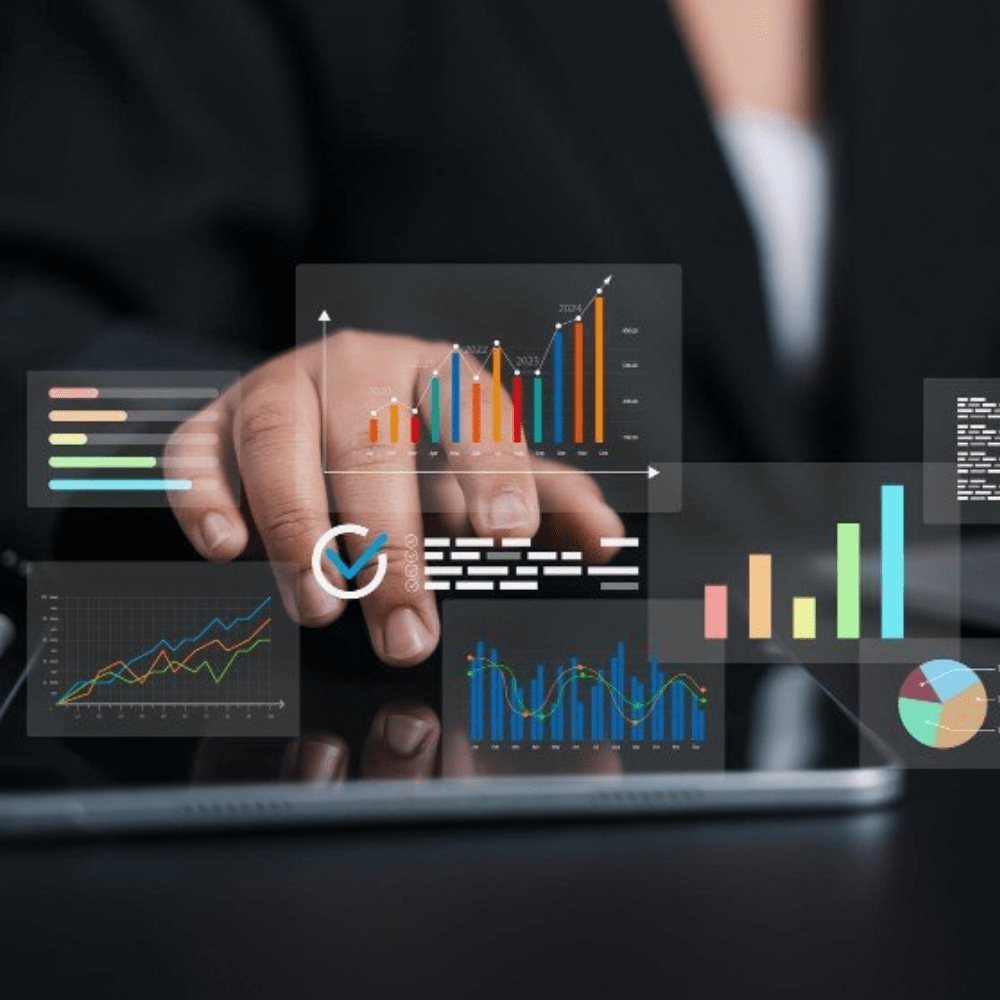
Most agencies can tell you what happened. Few can tell you what's about to happen
Government analytics programs remain concentrated at the earliest, descriptive stage of dashboards and reports, well short of the predictive capability that would let leaders act ahead of a problem instead of documenting it afterward. That gap doesn’t close by skipping stages, it closes by building the foundation each stage depends on.

Agencies are adopting AI faster than they're building the capacity to fully use it
Federal AI use cases grew by well over 100 percent in a single recent year, yet only about a quarter of those efforts were found to deliver meaningful value, a gap researchers consistently trace back to weak data foundations rather than the technology itself.
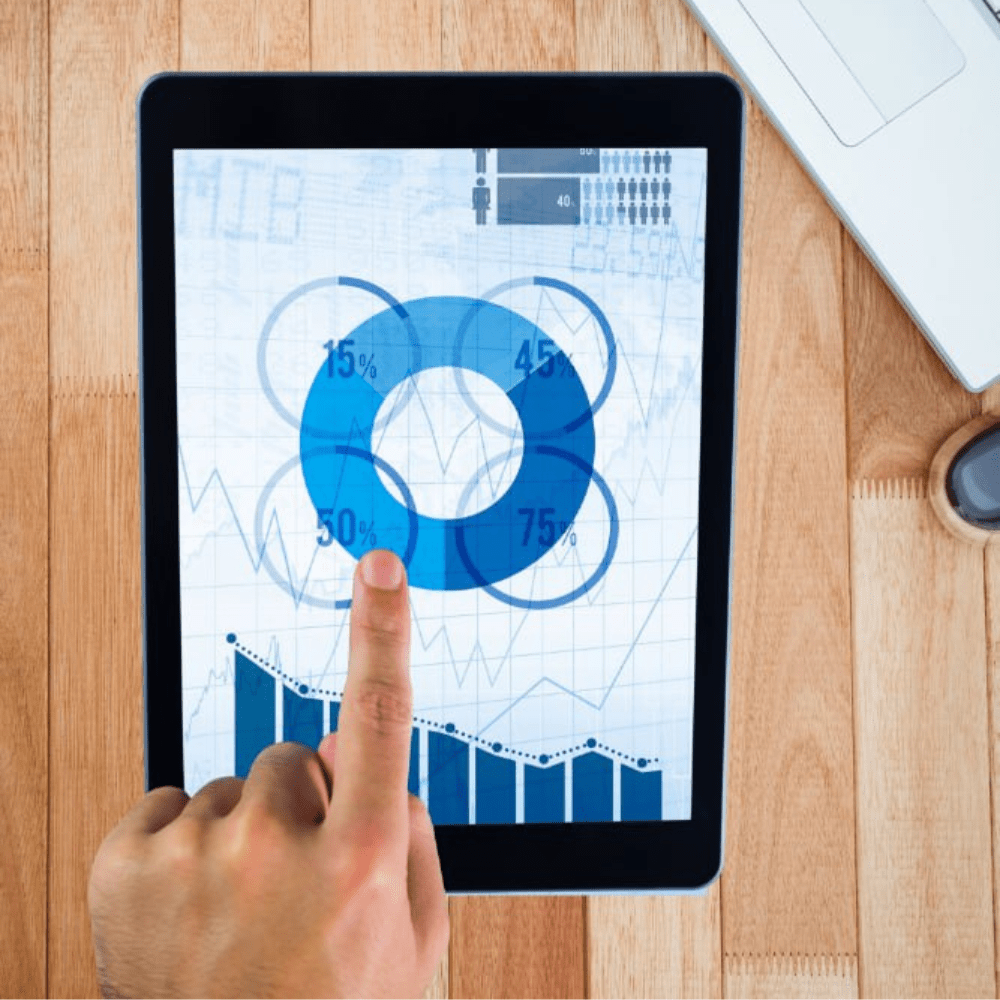
Confidence in the data matters as much as the data itself
Recent surveys have found that roughly two thirds of organizations want greater confidence in their own data before relying on it for high stakes decisions, and strong data governance is consistently what separates the organizations that get there from the ones still waiting. Leaders who invest in that foundation give their staff numbers worth acting on, not just numbers worth reporting.

Great platforms deserve great people behind them
Government leaders consistently point to workforce training and specialized data talent as the real lever for maturing their analytics programs, even more than the technology itself. The agencies seeing the strongest return are the ones investing in their people alongside their platform, not one instead of the other.
What we do about it
Collaborative data strategy
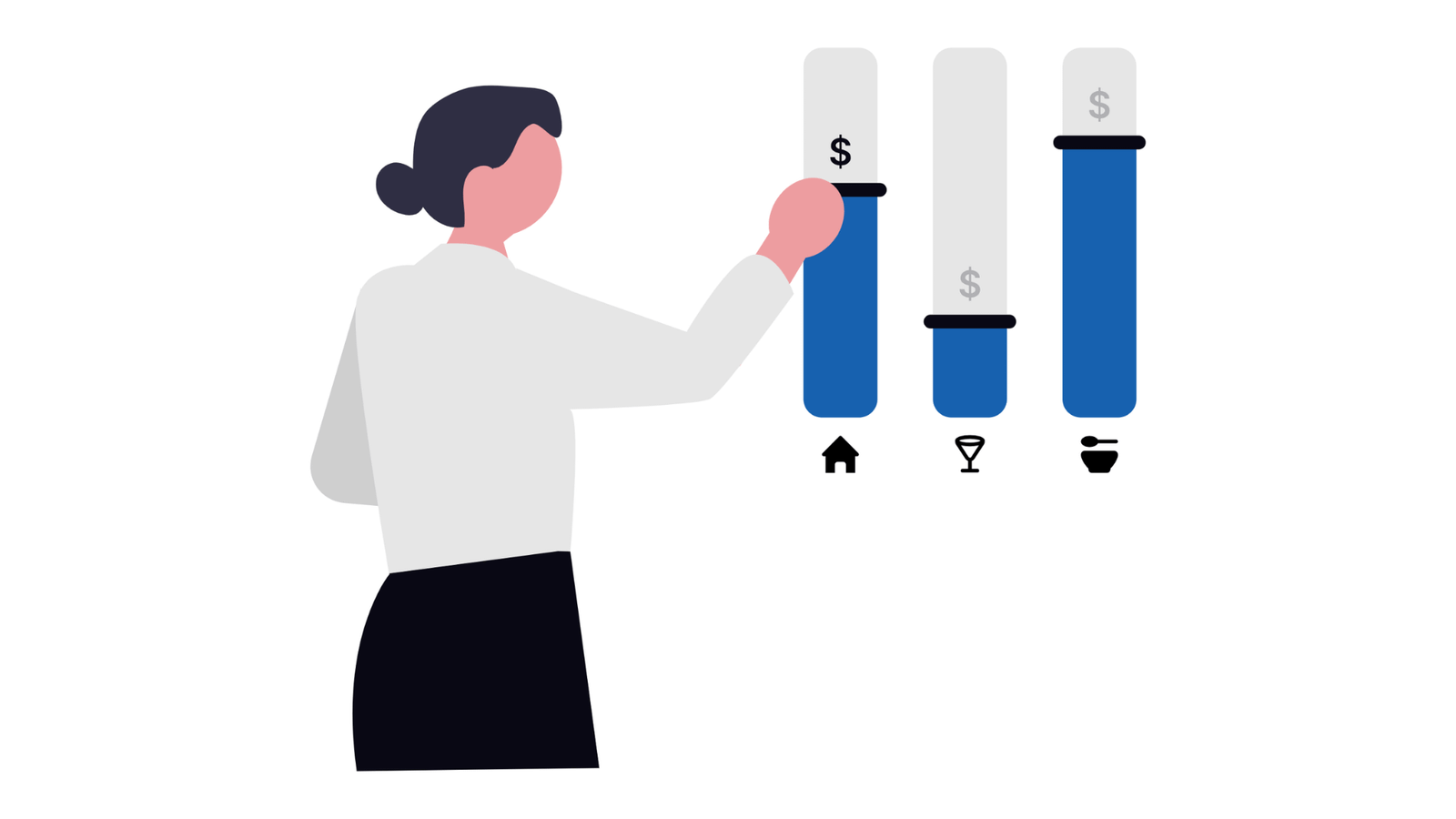
We work alongside your team to design a data strategy built around your mission and your constraints, not a generic industry template, so the roadmap for your data reflects how your agency actually operates and what your people can realistically sustain.
Data governance and foundation building
We establish the data standards, quality controls, and governance structure that any credible analytics or AI effort depends on, so insights can be trusted the first time, not audited after the fact.
Integrated analytics and AI/ML
We build analytics and AI/ML as one practice on one platform, so predictive models and automated detection run on the same trusted data as your dashboards and reports, not a separate system layered on top.
Decision support and performance dashboards
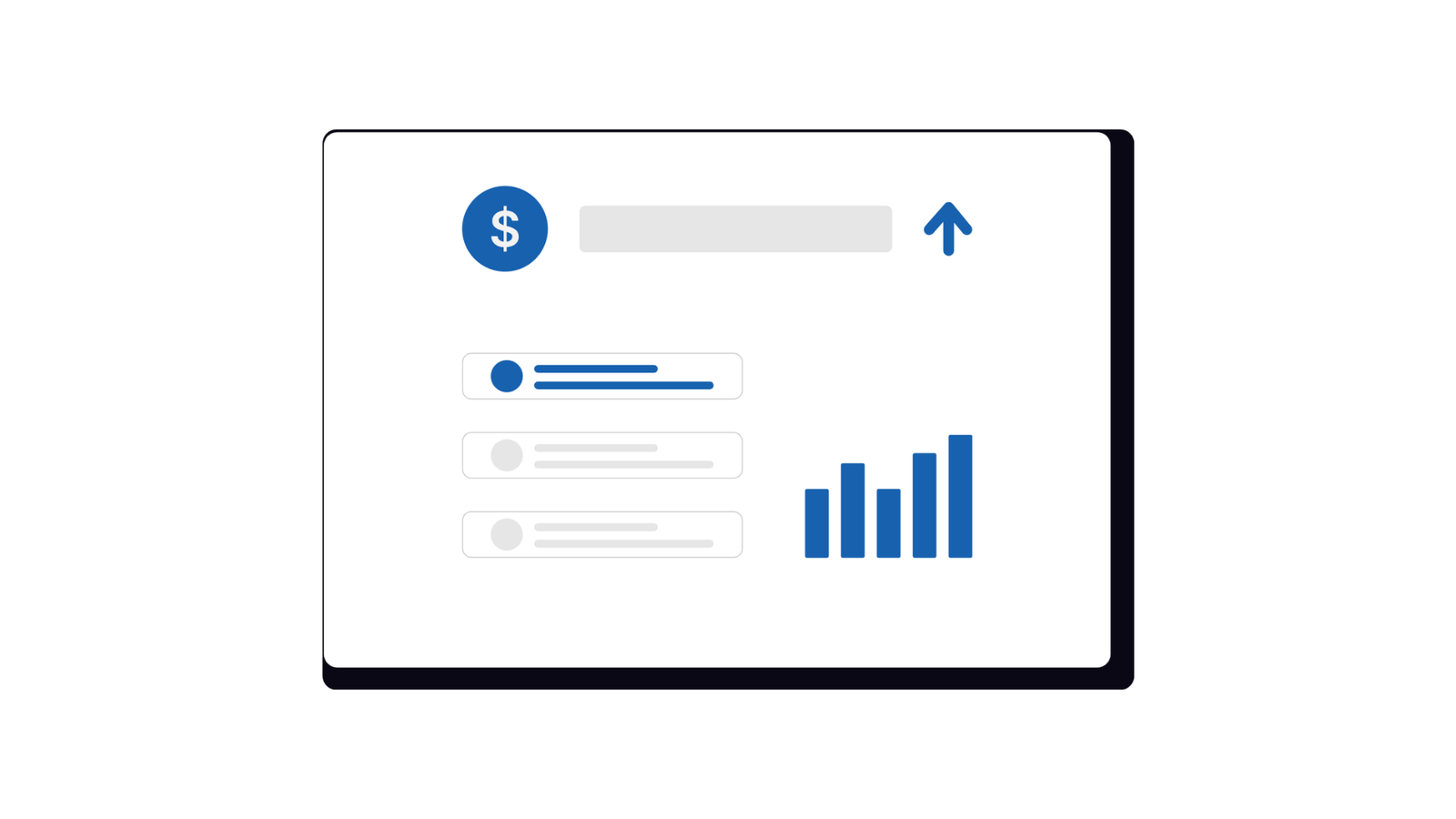
We turn scattered data into a dashboard leadership actually checks, connecting day to day operations to the mission outcomes that funders and oversight bodies care about.
Evidence and evaluation support
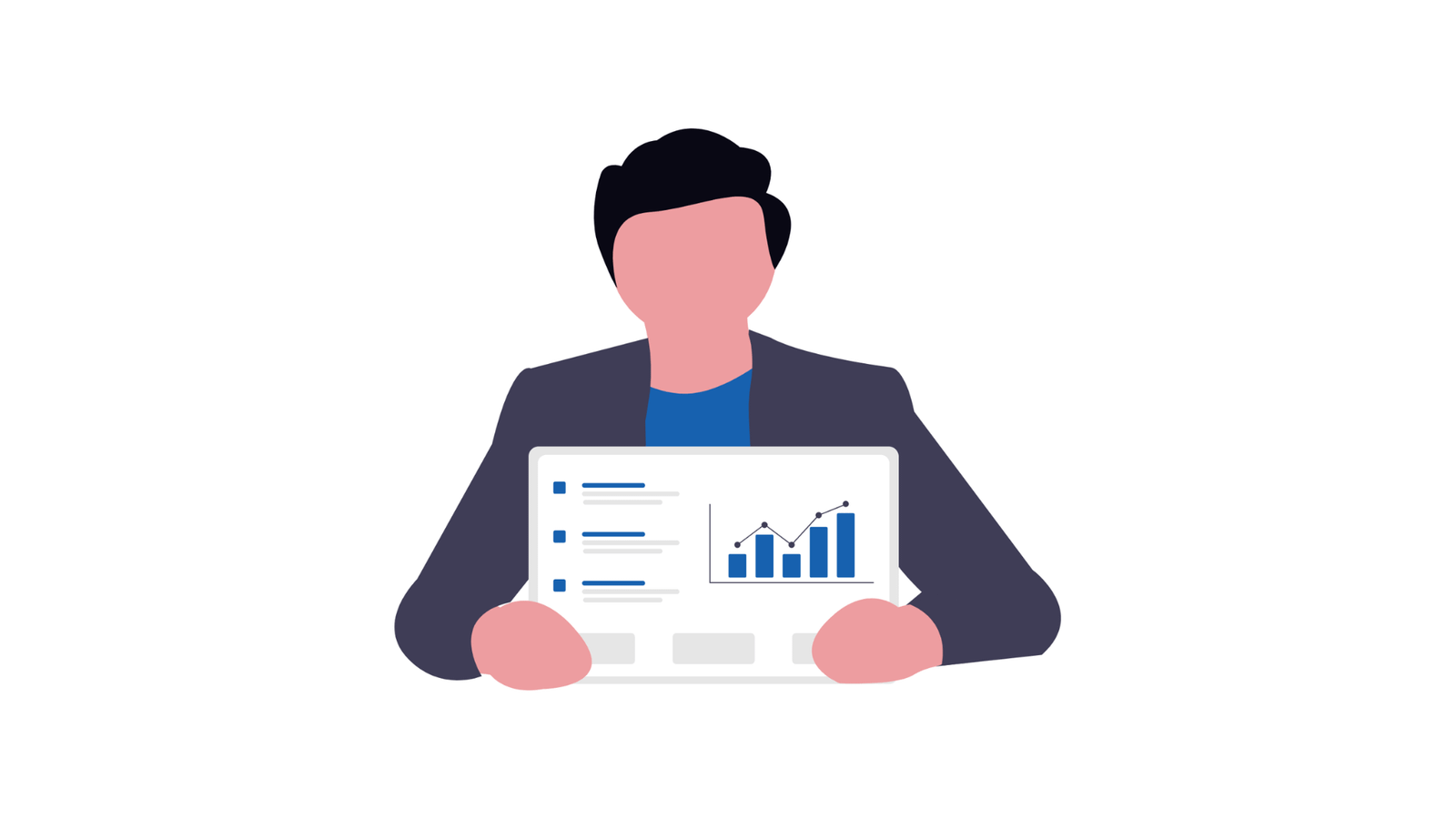
We build the evaluation frameworks and evidence base your program needs to meet its statutory reporting requirements and defend its funding with proof, not anecdote.
Data integration across systems
We connect the systems that were never built to talk to each other, so the answer to a citizen’s question doesn’t depend on which office happens to have the right screen open.