Strategic Technology & AI Solutions
Everyone is buying AI. Few are building the mission around it.
Government agencies are under constant pressure to do more with technology, from modernizing systems that have run for decades to piloting generative AI and AI agents that promise to reshape how work gets done. The promise is real, but so is the gap between a pilot that impresses a room and a capability that actually changes how a mission runs day to day. We help agencies close that gap, building the technology strategy, the automation, and the AI and agentic capabilities that turn a good idea into a tool your workforce actually uses, on a foundation strong enough to scale.
Strategic technology and AI are how mission acceleration becomes real. Every engagement, from a legacy system finally retired to an AI agent handling the routine work, is built to move the mission faster, not just to look modern doing it.
What we hear from clients

Most of the technology budget goes to keeping the lights on, not moving the mission forward
Federal agencies have consistently reported spending about 80 percent of the roughly $100 billion they spend on IT each year simply operating and maintaining systems they already have, many of them decades old. That leaves a thin margin for innovation, which means new AI and automation capability has to be built on a foundation that’s still being paid down.

AI policy keeps changing. The requirement to govern AI responsibly hasn't.
Federal AI guidance has been rewritten more than once in just the past few years, yet every version, across very different administrations, has required agencies to name someone accountable for AI and keep a public record of how it’s being used. Agencies that build governance as a durable capability, not a reaction to this year’s memo, are ready no matter what the next one says.

Most AI pilots impress a room and then quietly go nowhere.
Independent research consistently finds that only a small share of AI pilots ever make it into production, and the reason is almost never the model, it’s the data, integration, and change management a real deployment requires that a demo never had to prove. Government isn’t unusual in this pattern, it’s just under more scrutiny when a pilot doesn’t turn into a result.

The workflow has to change before the technology can help it
Research on public sector technology projects consistently finds that layering new tools onto workflows and review chains that were never redesigned just recreates the old complexity in a new interface. The agencies getting real value from AI and automation are the ones who redesign the underlying workflow first, then build the technology to match it.

Most AI pilots impress a room and then quietly go nowheraInnovating in government doesn't mean fewer rules, it means building well inside them.
Public sector research on innovation has found that the accountability and oversight that make government trustworthy can also make leaders cautious about the kind of experimentation AI adoption requires. The agencies that innovate successfully treat security authorization, procurement, and compliance as the environment they’re building in, not obstacles to work around, and choose tools already built to operate inside it.
What we do about it
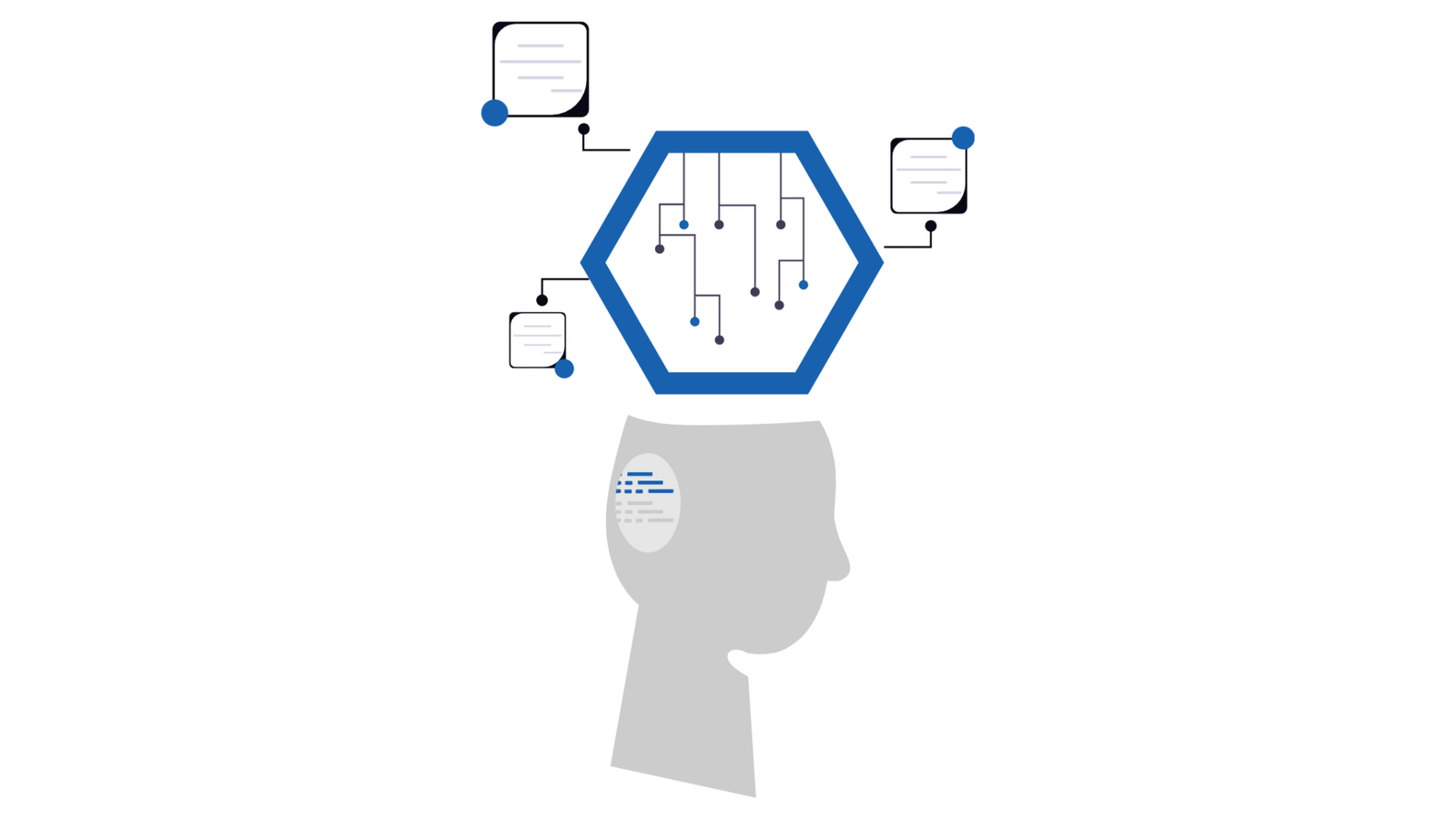
Collaborative technology and AI strategy.
We work alongside your team to design a technology and AI roadmap built around your mission and your constraints, not a vendor’s product catalog, so the strategy reflects what your agency can actually build, govern, and sustain.

Durable AI governance.
We build the governance structures, accountability, and use case tracking that hold up regardless of which policy or administration is in place, so your agency is ready for what’s required today and whatever comes next.
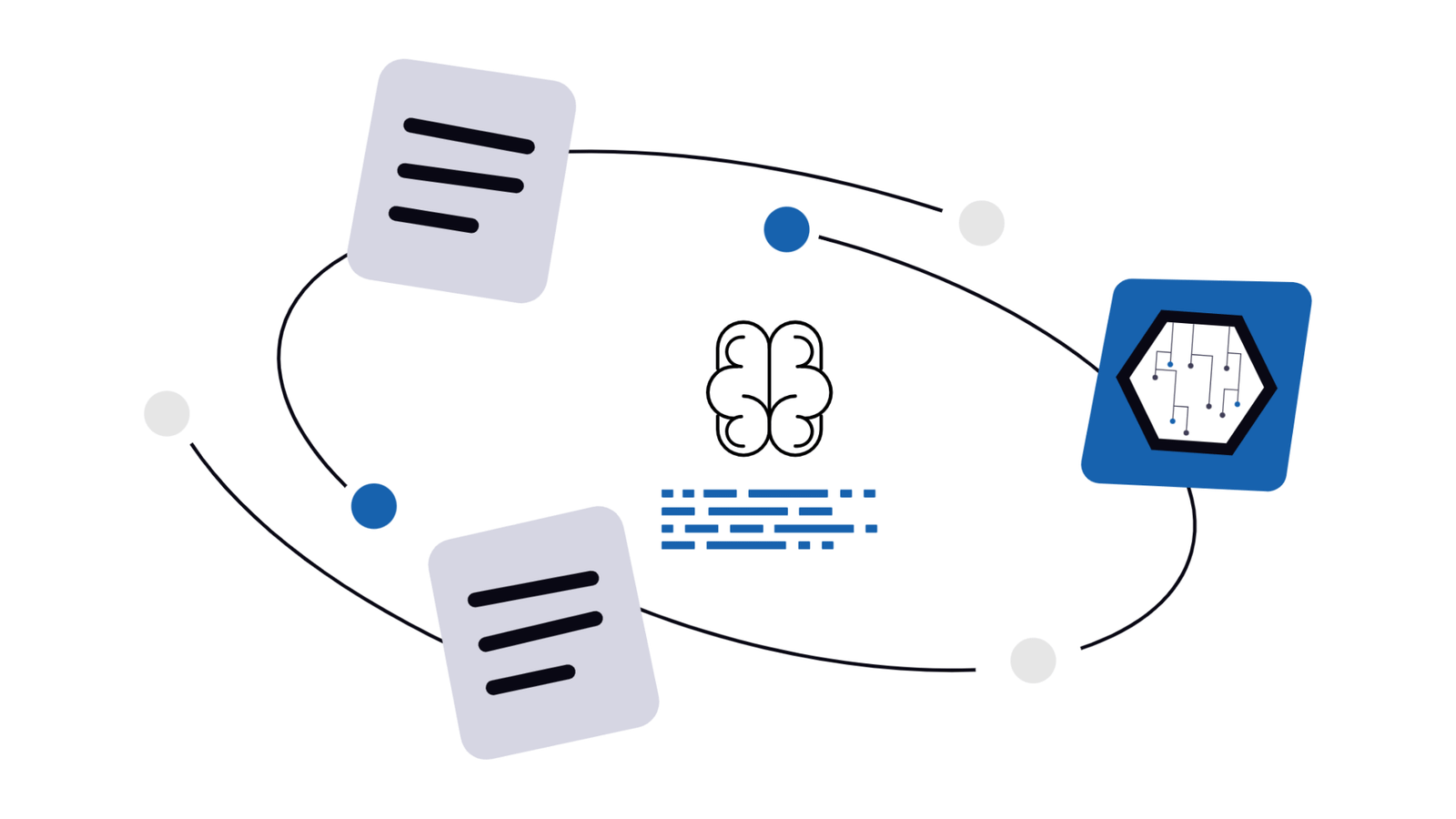
Agentic AI and automation.
We design and deploy AI agents and automation embedded directly in how your team already operates, taking on the routine work, not a chatbot bolted on top of the old process.
Pilot to production deployment.
We take AI and technology pilots the rest of the way, through the data readiness, integration, and change management that turn a promising demo into a capability your workforce actually uses.

Modern digital experience design.
We design the citizen and staff facing experience so a new system gets adopted, not quietly bypassed for the old workaround.